Feeling stuck between work expectations and personal dreams is a familiar struggle for young professionals in Tokyo, New York, or London. Many discover that their real challenge isn’t skill or opportunity but finding clarity and purpose in daily life. Life coaching offers a safe, collaborative space to reflect, set meaningful goals, and pursue growth, echoing the spirit of Japanese philosophy like Ikigai. This article explains what life coaching truly is, tackles common myths, and shows how it can guide you toward lasting and confident direction.
Table of Contents
- Defining Life Coaching And Common Misconceptions
- Types Of Life Coaching And Key Approaches
- How Life Coaching Works: The Coaching Process
- Qualifications, Ethics, And Certification Standards
- Benefits, Limitations, And Cost Considerations
- Life Coaching Compared To Therapy And Alternatives
Key Takeaways
| Point | Details |
|---|---|
| Life Coaching Focuses on Future Goals | Life coaching emphasizes forward-looking strategies to help individuals clarify their direction and achieve personal growth. It provides a collaborative environment for exploring values and aspirations rather than simply giving advice. |
| Different Specializations Exist | Coaches can specialize in areas like personal, career, relationship, and wellness coaching, allowing clients to choose based on their specific needs. Each specialization acknowledges the interconnectedness of various life aspects. |
| Coaching Requires Commitment | Successful coaching relies on the client’s willingness to engage in self-reflection and work towards goals. It is important to approach coaching as an investment in personal development rather than just a service. |
| Clear Distinction from Therapy | Life coaching differs fundamentally from therapy, which addresses mental health issues and past trauma. Coaching focuses on present situations and future goals for individuals who are already functioning reasonably well. |
Defining Life Coaching and Common Misconceptions
Life coaching is a forward-focused partnership where a trained coach asks strategic questions to unlock your own insights and solutions rather than telling you what to do. Unlike therapy, which addresses past trauma and psychological issues, or mentoring, which relies on a mentor’s expertise to guide you, coaching operates on the assumption that you already possess the answers within yourself. The coach’s role is to help you access those answers through structured conversations, goal-setting, and accountability. This approach emerged as a significant industry in the 1990s and has grown into a $2 billion global business, reflecting its effectiveness in helping people clarify their direction and achieve meaningful results.
One of the biggest misunderstandings about life coaching is that it’s simply someone giving you advice or telling you how to live your life. This couldn’t be further from the truth. A coach doesn’t solve your problems for you. Instead, they create a safe, collaborative space where you ask better questions about yourself, your values, and your goals. Another common myth is that you need extensive psychology or therapy training to become a coach, or that coaching itself isn’t a legitimate profession. In reality, coaching is a skill developed through specialized training that focuses on powerful questioning rather than clinical expertise. Many people also assume coaching is only for those facing crises or struggling with life. The opposite is true. Coaching supports thriving individuals and professionals who are already functioning well but want to grow, pursue ambitious goals, or gain clarity about their direction.
What makes life coaching distinctly valuable for young professionals is its focus on your whole life, not just one compartment. A good coach understands that career ambitions, personal relationships, health, and sense of purpose are interconnected. If you’re seeking clarity about whether your current path aligns with your deeper values, or if you’re caught between cultural expectations and personal desires, coaching provides a structured way to explore those tensions. The coaching relationship emphasizes safety and collaboration, meaning you’re not being judged or pushed toward someone else’s definition of success. This resonates particularly well with those drawn to Japanese philosophy like Ikigai, which itself is about finding alignment between what you love, what you’re good at, what the world needs, and what sustains you financially.
Pro tip: When evaluating whether life coaching is right for you, look for coaches who ask thoughtful questions about your values and long-term vision rather than offering quick fixes or prescriptive advice.
Types of Life Coaching and Key Approaches
Life coaching isn’t one-size-fits-all. Different coaches specialize in different areas depending on what clients need most. The most common type is personal coaching, which focuses on helping you navigate decisions across multiple life areas simultaneously. This might include career transitions, relationship clarity, lifestyle balance, or discovering your deeper sense of purpose. A personal coach might work with you on why you feel torn between pursuing a prestigious corporate role versus starting your own venture aligned with your values. Another popular specialty is career coaching, which zeros in specifically on professional growth, job transitions, salary negotiations, and long-term career strategy. Then there’s relationship coaching, which addresses partnerships, family dynamics, and social connections. Some coaches specialize in wellness coaching, emphasizing health habits and overall well-being. What’s powerful about these specializations is that they acknowledge your life doesn’t exist in separate boxes. A career coach understands that your professional decisions ripple through your personal life, and vice versa.
Regardless of specialization, life coaching methods prioritize partnership and personal empowerment rather than prescribing solutions. The approaches that work best involve exploring your strengths, identifying your aspirations, and creating actionable plans tailored specifically to you. One effective strategy is solution-oriented coaching, which keeps the focus on where you want to go rather than dwelling on obstacles. Instead of spending months analyzing why you’re unhappy in your job, a solution-oriented coach asks what your ideal work situation looks like and what steps move you toward it. Another approach is strength-based coaching, which identifies what you’re already good at and builds your goals around leveraging those strengths rather than obsessing over weaknesses.
What makes these approaches distinctly valuable for young professionals exploring their path is their non-prescriptive nature. A coach won’t tell you to pursue medicine because it’s stable, or to follow your parents’ expectations, or to chase whatever pays the most. Instead, they help you discover what matters to you through guided reflection. This aligns beautifully with the Ikigai philosophy you might already be exploring, because coaching helps you examine the intersection of what you love, what you’re skilled at, what the world needs, and what creates financial sustainability. The adaptability of personal coaching stems from its empathic approach that prioritizes your own goals and self-discovery over imparting knowledge. You’re not absorbing someone else’s wisdom. You’re excavating your own.
Below is a summary of popular types of life coaching and their typical client needs:
| Coaching Type | Common Client Needs | Example Session Focus |
|---|---|---|
| Personal Coaching | Clarity, life balance, vision | Defining values and priorities |
| Career Coaching | Job transitions, advancement | Crafting a career strategy |
| Relationship Coaching | Improving connections, resolving conflict | Communication skills |
| Wellness Coaching | Health habits, stress management | Setting fitness routines |
Pro tip: When choosing a coach, ask about their specific approach and methodology. Look for someone who asks thoughtful discovery questions in your first conversation rather than jumping straight into selling their services or making recommendations.
How Life Coaching Works: The Coaching Process
The coaching process isn’t random conversations over coffee. It’s a structured journey with clear stages designed to move you from where you are to where you want to be. Most coaching relationships begin with an initial assessment phase where the coach and you establish trust and clarity about what you hope to achieve. During this phase, the coach might ask questions about your current situation, your values, what’s working well, and what feels misaligned. This isn’t therapy diving into your past. Instead, it’s forward-focused discovery. The coach is essentially assessing whether you’re ready to commit to change and what kind of support structure you’ll need. A good coach also explains how they work, sets expectations about frequency and duration, and ensures you both understand the coaching relationship as a partnership.
Once you’re rolling, the coaching process focuses on powerful questioning and collaborative goal setting that helps you identify stressors, establish clear objectives, and reflect on challenges. Rather than the coach telling you what to do, sessions involve structured conversations where you talk through obstacles and brainstorm solutions with the coach asking questions that spark insight. You might explore time management if you’re juggling career ambitions with personal commitments. You might examine motivation if you’re feeling stuck between what you think you should do and what truly interests you. The coach helps you establish measurable goals with realistic timelines, then creates accountability systems to keep you on track. This might mean weekly check-ins, progress tracking, or specific actions you commit to completing before your next session. Throughout this phase, the coach maintains what’s called a coaching stance, which means they believe in your capacity to solve your own problems and stay curious rather than jumping to advice.
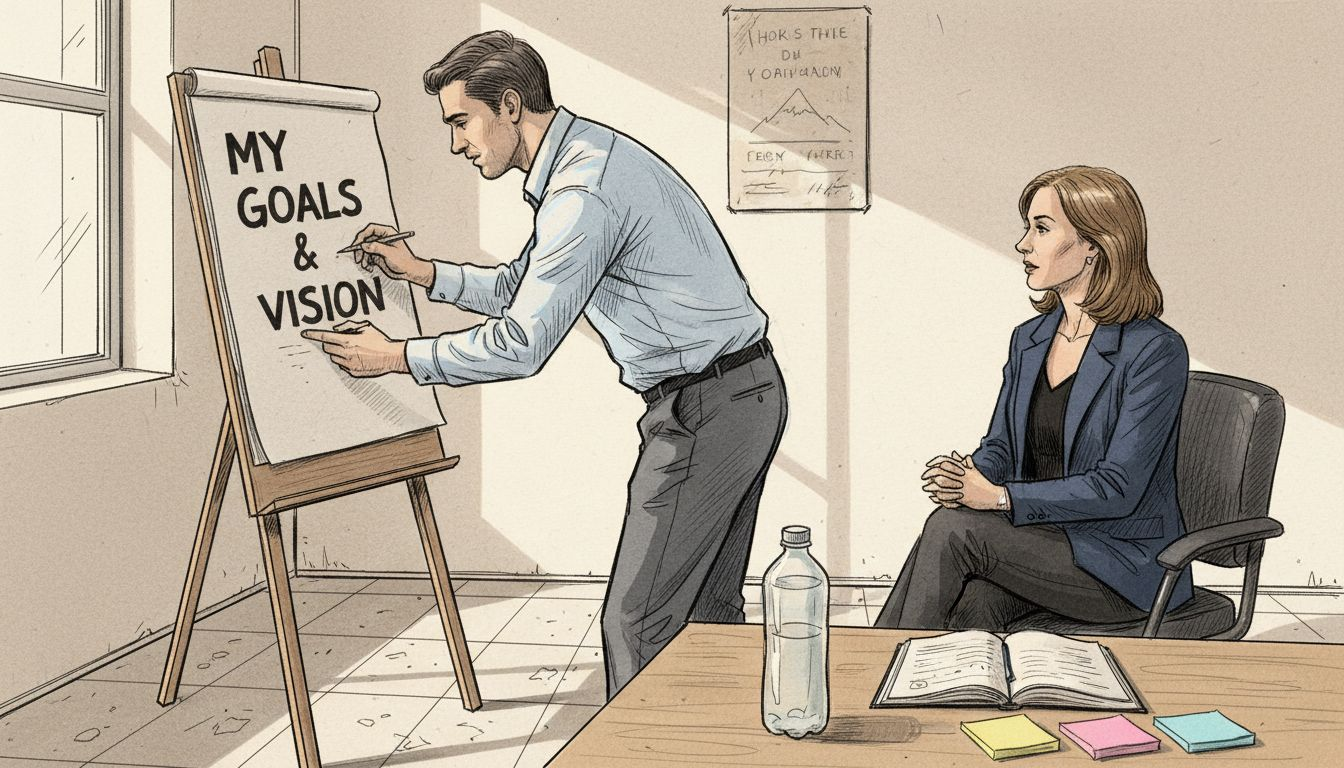
The coaching relationship is grounded in evidence-based psychology and manages ethical considerations carefully to ensure your growth stays authentic and sustainable. As you progress toward your goals, the coaching relationship evolves. You might need less frequent sessions as you build confidence and momentum. Eventually, when you’ve achieved your core objectives or developed the skills to move forward independently, the relationship concludes with what coaches call respectful termination. This isn’t abandonment. It’s the natural completion of the partnership. Many clients feel empowered at this point because they’ve internalized the coaching process and can now coach themselves through future challenges.
Pro tip: Before starting with a coach, ask how they structure their process, how often you’ll meet, what happens between sessions, and what success looks like to you both.
Qualifications, Ethics, and Certification Standards
Unlike therapy or counseling, life coaching isn’t regulated by government licensure requirements in most countries. This means you could theoretically hang a shingle tomorrow and call yourself a coach. That’s why certification matters. Reputable coaches go through rigorous training programs that teach coaching frameworks, ethical standards, and the psychological foundations of behavioral change. When you’re looking for a coach, you want someone who has completed formal training from an established organization. Professional life coaching training emphasizes coaching ethics, cross-cultural awareness, and evidence-based practices designed to keep you safe and ensure your coaching relationship stays focused on your actual goals rather than a coach’s agenda.
Major coaching certification bodies include the International Coach Federation (ICF), which sets global standards, as well as specialized organizations focused on particular coaching niches. These certifications require coaches to complete significant training hours, demonstrate competency in core coaching skills, pass exams, and maintain continuing education. Certifications emphasize maintaining client confidentiality, safety, and ethical boundaries, which protects you during your coaching relationship. A certified coach understands their limitations too. They know when a client needs therapy instead of coaching, when trauma work exceeds coaching scope, and when to refer you to appropriate mental health professionals. This self-awareness about boundaries is crucial. A good coach won’t pretend to treat depression or process childhood trauma. They’ll recognize those situations and recommend you work with a therapist alongside or instead of coaching.
When vetting coaches, ask about their certifications, training hours completed, and their code of ethics. Ask whether they maintain liability insurance and how they handle confidentiality. Look for coaches who can articulate what coaching is and isn’t, who understand their scope of practice, and who’ve received training in cultural competence. This last point matters especially for young professionals navigating different cultural contexts. A coach working with you on Ikigai should understand Japanese philosophical concepts and how those intersect with Western goal-setting frameworks. They should recognize that your values and aspirations might be influenced by family expectations, cultural heritage, or global perspectives. Trust matters enormously in coaching, and part of that trust comes from knowing your coach has been trained to work ethically and competently.
Pro tip: Check whether a coach holds certification from the International Coach Federation (ICF) or a recognized coaching organization, and ask for references from past clients to gauge their credibility before committing.
Benefits, Limitations, and Cost Considerations
When done well, life coaching produces measurable results. Coaching improves self-awareness, motivation, goal commitment, and helps you manage both personal and professional challenges more effectively. You develop clarity about what matters to you, which sounds simple but is transformative when you’re caught between competing pressures. Young professionals often discover through coaching that they’ve been chasing someone else’s definition of success. A client might realize their corporate career path doesn’t align with their core values, or conversely, they might recognize their passion project needs more business discipline to succeed. Beyond clarity, coaching creates accountability. It’s one thing to have a goal. It’s another to report progress to someone who genuinely cares about your growth. This accountability structure, combined with regular reflection, accelerates progress considerably. Most clients report increased confidence, better decision-making, and a stronger sense of direction within three to six months of consistent coaching.
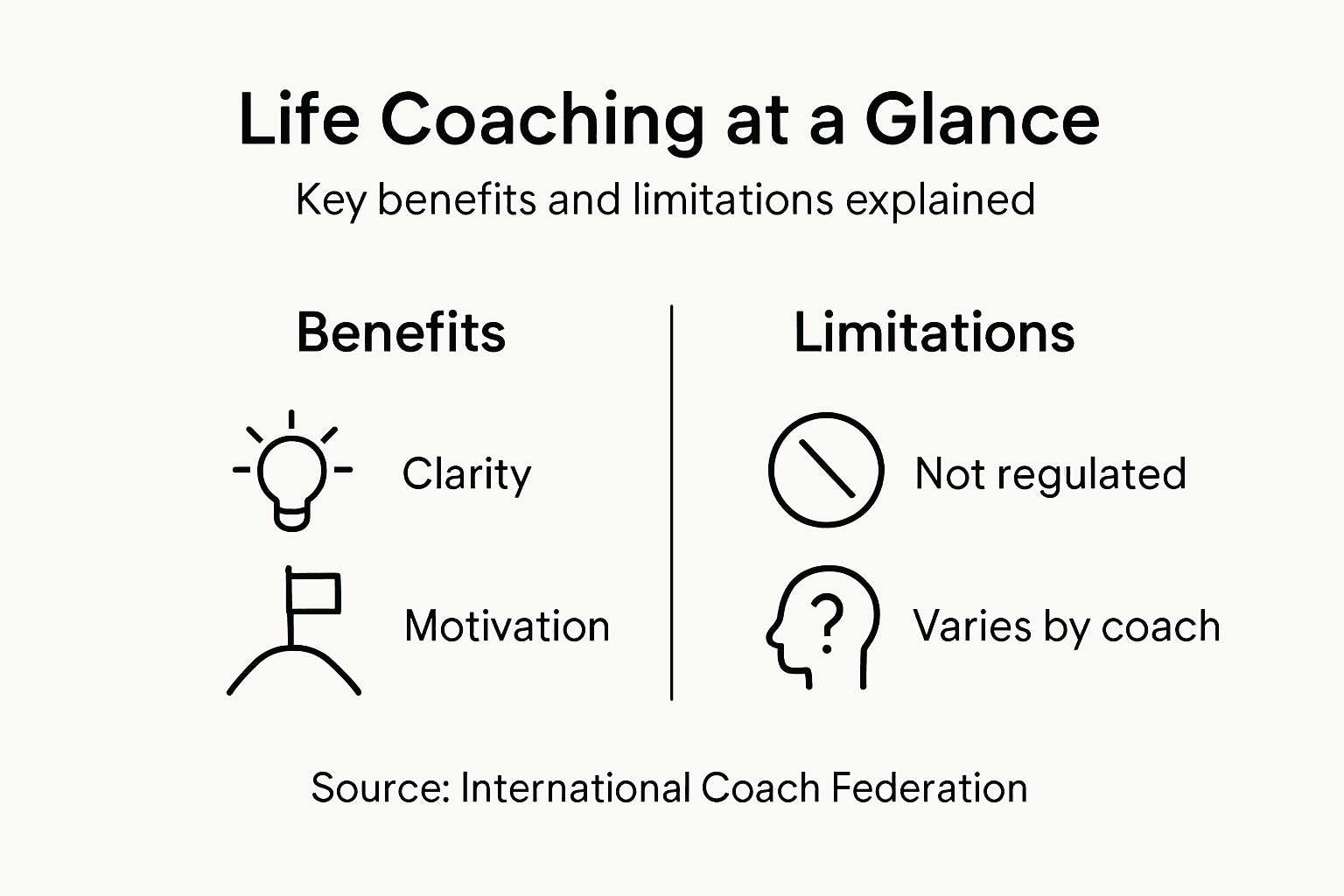
That said, coaching has real limitations worth acknowledging. The lack of formal regulation and variability in coach qualifications means quality differs significantly across the profession. An unqualified coach can waste your time and money. Another limitation is that coaching works best when you’re already functioning reasonably well and seeking growth, not when you’re in acute crisis or struggling with serious mental health conditions. Coaching cannot replace therapy for depression, anxiety disorders, trauma, or other clinical issues. If you’re experiencing suicidal thoughts, severe anxiety, or unprocessed trauma, therapy with a licensed mental health professional is what you need. Coaching can complement therapy, but it cannot substitute for it. Additionally, coaching is self-directed. A coach can ask powerful questions and create structure, but ultimately you must do the work. If you’re not ready to examine your beliefs or take action, coaching won’t help.
Cost varies widely depending on the coach’s experience, certification, specialization, and location. Some coaches charge 75 to 150 dollars per hour. Others charge several hundred. Group coaching or online programs cost less than one-on-one sessions. The investment matters because quality coaching typically requires commitment of multiple months. Budget accordingly and view it as an investment in your future rather than an expense. Some people finance coaching through employer wellness benefits or professional development budgets, which can reduce personal cost. The real question is whether the clarity, accountability, and direction coaching provides is worth the financial investment for your specific situation. For many young professionals navigating pivotal career and life decisions, the answer is yes.
Pro tip: Start with a free consultation call with potential coaches to assess their style and approach before committing financially, and clarify upfront what the total investment will be for your desired timeframe.
Life Coaching Compared to Therapy and Alternatives
Life coaching differs fundamentally from therapy in both purpose and method. Therapy addresses mental health conditions, processes past trauma, and requires formal psychological training and licensure. A therapist diagnoses disorders and provides clinical treatment. Coaching, by contrast, assumes you don’t have a clinical condition requiring treatment. It focuses on your present situation and future goals without attempting to diagnose or treat psychological disorders. Think of it this way: therapy asks “What happened in your past that’s affecting you now?” Coaching asks “Where are you now, and where do you want to go?” Both questions matter, but they’re answered through completely different professional relationships. Therapy might be essential if you’re struggling with depression, anxiety, trauma responses, or other clinical issues. Coaching is better suited for navigating career decisions, clarifying values, building confidence, or pursuing meaningful goals when you’re already functioning reasonably well.
One important reality is that coaching and therapy can work together beautifully. You might be in therapy processing difficult emotions from childhood while simultaneously working with a coach on career strategy and personal development. The coach doesn’t try to handle the therapeutic work. The therapist doesn’t need to help you build a five-year plan. They complement each other. Some people also explore alternatives like mentoring, which differs from coaching because a mentor shares their own expertise and experience directly, guiding you based on their knowledge. A mentor says “Here’s what worked for me.” A coach says “What do you think will work for you?” Counseling is another option, though it typically focuses on specific problem-solving rather than broader life direction. Life coaching emphasizes empowerment, self-discovery, and personal change through a non-judgmental, client-driven process that distinguishes it from these alternatives.
Choosing between coaching and other support depends on your actual needs. If you’re experiencing clinical symptoms like persistent depression, panic attacks, or intrusive trauma memories, therapy is the right choice. If you’re functioning well but feeling directionless or stuck in decision-making, coaching serves you better. If you want guidance from someone with relevant expertise in your field, mentoring might be ideal. Many young professionals benefit from combining approaches: therapy for mental health, coaching for life direction and personal growth, and mentoring for professional development. The key is matching the right support to your actual situation rather than assuming one approach handles everything.
Here’s a comparison of coaching, therapy, mentoring, and counseling to clarify their unique roles:
| Profession | Main Focus | Practitioner Requirements | Typical Client Goals |
|---|---|---|---|
| Life Coaching | Future goals, growth | Specialized training, certification optional | Personal development, clarity |
| Therapy | Mental health, past issues | State licensure, advanced degree | Healing, symptom management |
| Mentoring | Sharing expertise | Industry experience preferred | Career advice, skill building |
| Counseling | Short-term problem-solving | Professional degree/certification | Conflict resolution, coping |
Pro tip: If you’re unsure whether you need therapy or coaching, start with a therapist who can assess your mental health and recommend additional support like coaching if appropriate.
Discover Your True Path with Ikigai and Life Coaching
Life coaching helps you find clarity and align your goals with your values without prescribing answers. If you have felt torn between cultural expectations and your personal desires or struggled to identify what truly drives you, you are not alone. The article highlights the powerful connection between coaching and the Japanese philosophy of Ikigai which focuses on finding purpose where your passions, talents, the world’s needs, and financial sustainability meet. This approach nurtures self-discovery and empowers you to make decisions that resonate deeply with who you are.

Unlock your unique Ikigai by taking the personalized personality test at Ikigain.org. Our scientifically-backed assessment helps you identify your core passions, values, and strengths to create meaningful life direction. Transform confusion into confidence and embrace a fulfilling life that integrates Japanese cultural wisdom with modern growth strategies. Visit Ikigain.org today and start your journey toward purpose-driven living supported by insights that complement life coaching principles. Explore how this digital platform can be the catalyst for your personal breakthrough and greater well-being.
Frequently Asked Questions
What is life coaching?
Life coaching is a forward-focused partnership where a trained coach helps you unlock your own insights and solutions through strategic questioning, goal-setting, and accountability, rather than giving direct advice.
How is life coaching different from therapy?
Unlike therapy, which addresses past trauma and psychological issues, life coaching focuses on your current situation and future goals. Therapy typically requires formal psychological training to treat mental health conditions, while coaching is more about personal development and growth.
What types of life coaching are available?
Common types of life coaching include personal coaching, career coaching, relationship coaching, and wellness coaching. Each type focuses on different aspects of life, helping clients navigate specific challenges and achieve their goals.
What should I consider when choosing a life coach?
When selecting a life coach, look for their qualifications, training, and approach. It’s important to find someone who asks thoughtful questions about your values and long-term vision rather than offering quick fixes or prescriptive advice.