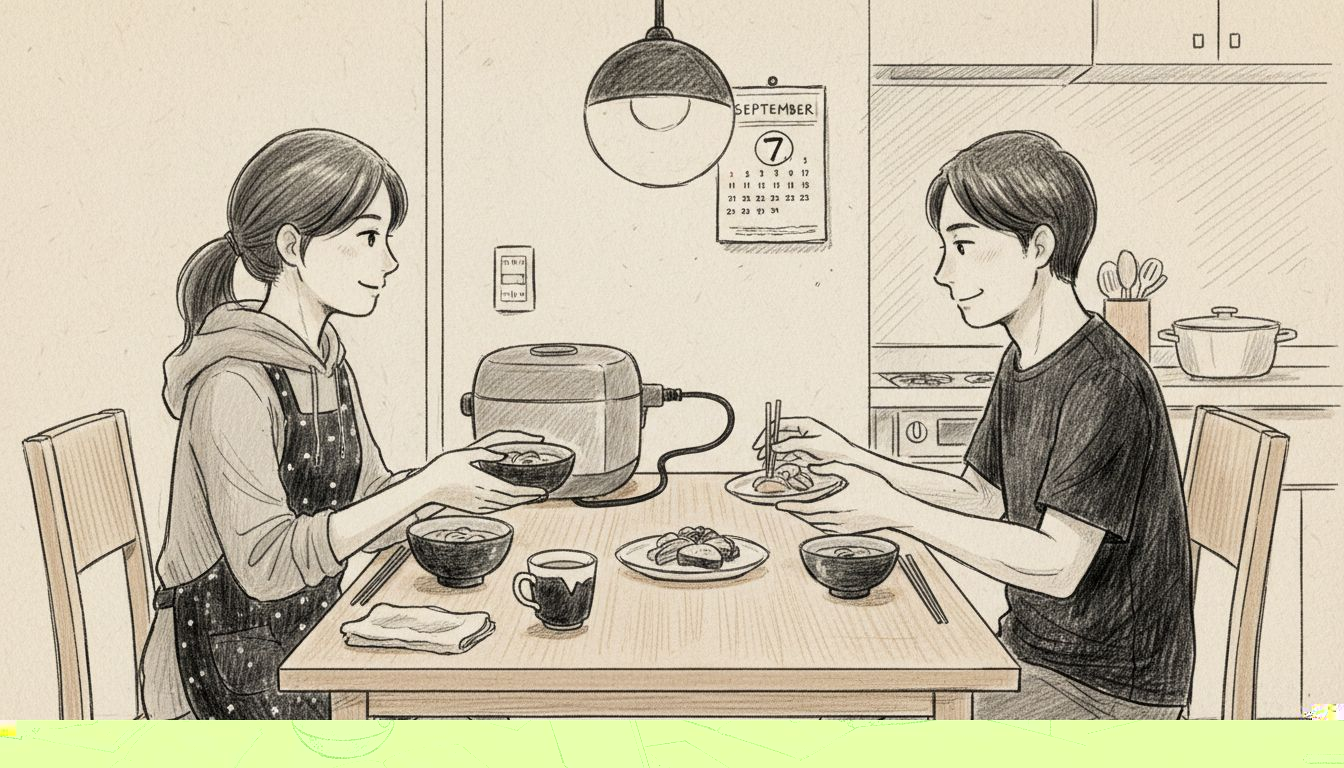
Discovering Japanese values offers you a powerful pathway to personal growth and purpose. Over 80% of Japanese adults prioritize harmony (Wa) in their daily lives, making it central to personal and social fulfillment. These time-tested principles connect directly with Ikigai philosophy, helping you clarify what matters most and how to live with intention. Understanding these values gives you practical tools to navigate life’s challenges while building meaningful connections and inner peace.
Table of Contents
- Selection Criteria For Choosing Japanese Values
- Top 10 Japanese Values With Examples And Applications
- Comparing Japanese Values With Western Values
- Situational Picks: Matching Values To Personal Growth Needs
- Summary And Next Steps For Applying Japanese Values
- Explore Ikigai Tools To Live Your Values
- Frequently Asked Questions
Key takeaways
| Point | Details |
|---|---|
| Japanese values offer actionable principles for personal growth | These cultural concepts translate into daily practices that enhance purpose and fulfillment. |
| Harmony (Wa) is prioritized by 80% of Japanese adults | This foundational value emphasizes group cohesion and conflict resolution for social well-being. |
| Perseverance (Gaman) supports resilience under stress | 75% of Japanese workers use this principle to overcome workplace challenges and adversity. |
| Empathy (Omoiyari) fosters social harmony | Consideration for others drives cooperation and strengthens relationships in Japanese culture. |
| Acceptance (Shikata ga nai) aids mental calmness | Over 70% of Japanese adults embrace unavoidable circumstances to build psychological resilience. |
Selection criteria for choosing Japanese values
Choosing which Japanese values to adopt requires thoughtful consideration of your current life situation and growth goals. Not every value will resonate equally with your circumstances or cultural background. Start by evaluating values that align with your most pressing challenges or aspirations.
Cultural authenticity matters when selecting Japanese values. Look for principles deeply rooted in Japanese tradition with documented cultural significance. Values like Wa and Gaman have centuries of history shaping Japanese society and individual behavior. This cultural depth ensures you’re adopting practices with proven effectiveness across generations.
Practical applicability should guide your selection process. Consider these factors:
- Does the value address a specific challenge you face?
- Can you integrate this principle into your daily routines without major disruption?
- Does the value complement your existing beliefs and lifestyle?
- Will this principle support your long-term growth and fulfillment?
Evidence-based benefits help validate your choices. Research shows Japanese values correlate with improved mental health, stronger relationships, and greater life satisfaction. Values supported by psychological research or sociological studies offer you measurable pathways to well-being. Choose values with documented impacts on areas you want to improve, whether that’s stress management, social connection, or personal resilience.
Ease of integration determines sustainable adoption. Start with values requiring minimal lifestyle changes but offering significant impact. For example, practicing Omoiyari through small acts of consideration takes little effort but transforms your relationships quickly. Save more demanding values like Kaizen for later stages of your growth journey.
Top 10 Japanese values with examples and applications
Japanese values provide concrete frameworks for living with purpose and developing your Ikigai. Each principle offers unique benefits while complementing the broader philosophy of meaningful existence. Understanding these values through examples helps you apply them effectively.
Wa (harmony) emphasizes group cohesion and conflict avoidance, reflecting the deep Japanese commitment to social balance. In practice, you might choose compromise over winning an argument, or consider how your actions affect others before acting. At work, this means facilitating consensus rather than pushing your agenda. Wa reduces social friction and creates environments where everyone can thrive.
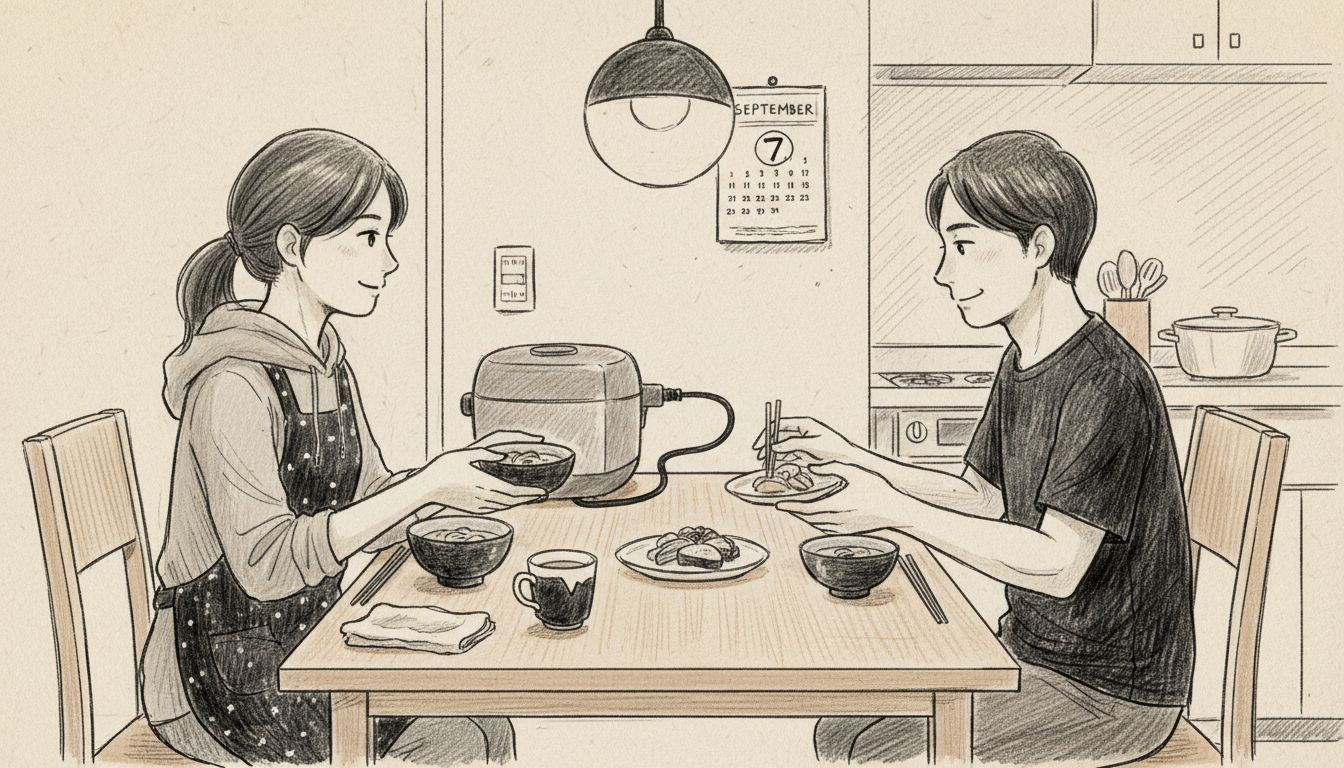
Gaman (perseverance) reflects cultural patience and persistence, with 75% of Japanese workers using it to overcome workplace stress. You apply Gaman when facing setbacks by maintaining composure and continuing effort despite discomfort. During difficult projects, this value helps you stay committed without complaining or giving up prematurely. Gaman builds character through adversity while preventing impulsive decisions.
Omoiyari (empathy and consideration) promotes cooperation and social harmony through thoughtful awareness of others’ needs. Practice this by anticipating what might make someone’s day easier and acting on it without being asked. In conversations, listen fully before responding, showing genuine interest in others’ perspectives. Omoiyari strengthens bonds and creates reciprocal support networks.
Shikata ga nai (acceptance) enhances mental resilience by embracing unavoidable circumstances, recognized by over 70% of Japanese adults. When facing situations beyond your control, this value helps you release anxiety and focus energy on what you can change. After experiencing loss or disappointment, acceptance allows you to move forward without dwelling on what cannot be undone. This principle protects your mental health during turbulent times.
Kaizen (continuous improvement) encourages small, consistent progress rather than dramatic transformations. You implement Kaizen by making 1% improvements daily in any area of life. At home, this might mean organizing one drawer each week rather than attempting whole-house reorganization at once. In skills development, practice 15 minutes daily instead of sporadic intense sessions. Kaizen prevents overwhelm while ensuring steady growth.
Enryo (modesty and restraint) guides you to avoid imposing on others or drawing excessive attention to yourself. Practice Enryo by declining the first offer of help, allowing the other person to offer again if truly willing. In group settings, let others speak before sharing your views. This value creates space for everyone while preventing social dominance.
On (social obligation and reciprocity) acknowledges debts of gratitude and compels you to return kindness received. When someone helps you, On motivates appropriate gratitude expressions and future reciprocation. Track favors received and find meaningful ways to give back. This value maintains social balance and strengthens community ties.
Giri (duty and responsibility) represents your commitment to fulfilling obligations to family, workplace, and society. You honor Giri by meeting deadlines, supporting family members in need, and contributing to your community. This value provides clear guidance for ethical behavior and reliable character.
Amaeru (healthy dependence) recognizes the human need for support and connection, contrary to extreme independence. You practice Amaeru by asking for help when needed and accepting assistance graciously. This value permits vulnerability within trusted relationships, reducing isolation and building intimacy.
Mottainai (waste avoidance) expresses regret over wastefulness and encourages resourcefulness. Apply this by using items fully before replacing them, repurposing objects creatively, and appreciating what you have. Mottainai cultivates gratitude while reducing environmental impact.
| Value | Core Meaning | Practical Example |
|---|---|---|
| Wa | Harmony and group cohesion | Seeking compromise in disagreements to maintain relationships |
| Gaman | Perseverance through hardship | Staying committed to goals despite temporary discomfort |
| Omoiyari | Empathy and consideration | Anticipating others’ needs and acting thoughtfully |
| Shikata ga nai | Acceptance of the unavoidable | Releasing anxiety about circumstances beyond your control |
| Kaizen | Continuous improvement | Making small daily progress in chosen areas |
| Enryo | Modesty and restraint | Declining initial offers to avoid imposing on others |
| On | Social obligation | Returning kindness received through appropriate gratitude |
| Giri | Duty and responsibility | Meeting commitments to family, work, and community |
| Amaeru | Healthy dependence | Accepting support from trusted relationships |
| Mottainai | Waste avoidance | Using resources fully and appreciating what you have |
Pro Tip: Start with just one value that addresses your most pressing challenge. Practice it consciously for 30 days before adding another. This focused approach ensures genuine integration rather than superficial adoption of multiple principles simultaneously.
These values work synergistically with the Ikigai philosophy guide, helping you identify purpose through culturally-tested principles. When you understand what matters most in Japanese culture, you gain clarity about universal human needs for connection, growth, and contribution. Applying these Japanese philosophy principles transforms abstract concepts into daily actions that shape your character and life direction.
Comparing Japanese values with Western values
Japanese and Western values differ fundamentally in their emphasis on individual versus collective well-being. Understanding these contrasts helps you appreciate how Japanese principles uniquely support personal growth and Ikigai development. Western culture typically prioritizes individual achievement, self-expression, and personal rights. Japanese culture emphasizes group harmony, social roles, and collective success.
Individualism dominates Western thinking, encouraging you to stand out, assert your needs, and pursue personal goals even at social cost. Japanese values like Wa prioritize fitting in, maintaining group cohesion, and subordinating individual desires for collective benefit. This doesn’t mean losing yourself, but rather finding fulfillment through contribution to something larger. The Japanese approach often reduces social anxiety and increases belonging.
Shikata ga nai (acceptance) contrasts sharply with Western control mindsets that emphasize changing circumstances through willpower and action. Western culture teaches you to take charge, fight obstacles, and never surrender. Japanese acceptance recognizes some situations lie beyond your control, encouraging energy conservation for battles you can win. This distinction significantly impacts stress levels and mental health.
Continuous improvement through Kaizen differs from Western fixed or growth mindset frameworks. Western approaches often set large goals requiring dramatic change, leading to motivation crashes when progress stalls. Kaizen assumes improvement never ends but proceeds through tiny, manageable steps. This prevents burnout while ensuring steady progress across decades.
| Aspect | Western Values | Japanese Values | Impact on Growth |
|---|---|---|---|
| Focus | Individual achievement | Group harmony | Japanese approach reduces social friction |
| Control | Change everything possible | Accept the unchangeable | Japanese method conserves mental energy |
| Improvement | Dramatic transformation | Small continuous steps | Japanese approach prevents burnout |
| Expression | Assert yourself openly | Show restraint and consideration | Japanese style builds stronger relationships |
| Success | Personal accomplishment | Collective contribution | Japanese perspective increases belonging |
Social cohesion impacts mental wellness differently across cultures. Western individualism creates freedom but often leads to isolation and loneliness. Japanese collectivism provides built-in support networks and clear social roles, reducing existential anxiety. However, it may limit personal expression. Balancing these approaches gives you both autonomy and connection.
Pro Tip: You don’t need to abandon Western values to adopt Japanese principles. Instead, integrate Japanese values as complementary tools. Use Western individualism for career decisions but Japanese harmony for relationships. Apply Western assertiveness when protecting boundaries but Japanese acceptance when facing unchangeable circumstances. This hybrid approach maximizes benefits from both cultural perspectives.
Situational picks: matching values to personal growth needs
Selecting Japanese values based on your specific challenges creates targeted, effective personal development. Different life situations call for different principles. Match values to your current needs for maximum impact and sustainable growth.
When coping with stress and uncertainty, these values provide stability:
- Shikata ga nai helps you release anxiety about uncontrollable situations, redirecting energy to actionable areas.
- Gaman builds resilience by teaching you to persist through temporary discomfort without excessive complaint.
- Wa reduces interpersonal conflict during stressful periods, maintaining supportive relationships when you need them most.
- Mottainai grounds you in gratitude for existing resources, countering scarcity mindset that amplifies stress.
For enhancing social bonds and community belonging, focus on:
- Omoiyari transforms relationships through consistent consideration and empathy, making others feel valued.
- On creates reciprocal support networks by honoring obligations and returning kindness systematically.
- Enryo prevents social dominance, allowing space for others and reducing friction in group settings.
- Amaeru permits healthy vulnerability within trusted relationships, deepening intimacy through appropriate dependence.
To boost productivity and continuous growth, implement:
- Kaizen ensures steady progress through small daily improvements that compound over time.
- Giri strengthens reliability and reputation by consistently meeting commitments and obligations.
- Gaman sustains effort during difficult phases of projects when motivation naturally wanes.
- Mottainai optimizes resource use, preventing waste and increasing efficiency in all activities.
Use this framework for mindful value integration. First, identify your primary growth need from the categories above. Second, select one corresponding value and define three specific daily practices. Third, commit to 30 days of conscious application before evaluation. Fourth, reflect on changes in feelings, behaviors, and outcomes. Finally, adjust or add values based on results and evolving needs.
This situational approach prevents overwhelm while ensuring meaningful progress. You learn values experientially rather than theoretically, embedding them deeply into your character. The Ikigai core principles work synergistically with this method, helping you align value selection with your unique purpose and passions.
Summary and next steps for applying Japanese values
Japanese values offer you proven pathways to personal growth, stronger relationships, and purposeful living aligned with Ikigai philosophy. These principles transcend cultural boundaries, addressing universal human needs for connection, resilience, and meaning. You’ve explored ten core values, learned selection criteria, understood cultural contrasts, and discovered situational applications.
The main Japanese values covered provide complementary benefits. Wa creates social harmony essential for belonging. Gaman builds perseverance needed for long-term goals. Omoiyari strengthens relationships through empathy. Shikata ga nai protects mental health through acceptance. Kaizen ensures continuous improvement without burnout. Together, these principles form a comprehensive framework for flourishing.
Start your journey by choosing just one value that addresses your most pressing challenge right now. If you struggle with stress, begin with Shikata ga nai or Gaman. If relationships need strengthening, focus on Omoiyari or Wa. If productivity lags, implement Kaizen or Giri. This focused approach ensures deep integration rather than shallow familiarity with multiple concepts.
Key next steps for sustainable progress:
- Select one value and define three specific daily practices that embody it.
- Set a 30-day commitment to conscious application, tracking experiences and insights.
- Reflect weekly on how the value affects your thoughts, emotions, and behaviors.
- After 30 days, evaluate results and decide whether to deepen practice or add another value.
- Connect your value practice with broader Ikigai exploration to align daily actions with life purpose.
Reflection and adaptation fuel growth as your life evolves. Values that serve you perfectly today may need adjustment as circumstances change. Stay curious about how Japanese principles interact with your unique personality, culture, and goals. This experimental mindset transforms value adoption from rigid rule-following into creative personal development.
For deeper exploration, numerous resources await you. The Ikigai method for fulfillment connects Japanese values with purpose discovery frameworks. Books on Japanese culture provide rich context for understanding these principles within their original setting. Community groups focused on Japanese philosophy offer support and shared learning experiences.
Remember that integrating Japanese values into your life represents a marathon, not a sprint. Small consistent actions compound into significant character development over months and years. Trust the process, be patient with yourself, and celebrate small wins along the way.
Explore Ikigai tools to live your values
Understanding Japanese values intellectually differs dramatically from experiencing them through personal Ikigai discovery. While this article provided knowledge, actual transformation requires self-awareness about your unique purpose, passions, and strengths. That’s where specialized assessment tools become invaluable.

Our Ikigai test helps you identify which Japanese values align most naturally with your personality and life circumstances. This scientifically-backed assessment reveals your core drivers, making value selection more intuitive and effective. Rather than randomly choosing principles, you discover which resonate authentically with who you are.
Many people find personality tests for purpose clarify abstract concepts like Wa, Gaman, and Omoiyari by connecting them to specific behavioral patterns and preferences. When you understand your Ikigai type, you see exactly how each Japanese value supports or challenges your natural tendencies. This awareness accelerates integration while preventing mismatches between values and personality.
The Japanese philosophy principles guide complements assessment tools by providing frameworks for applying test insights to daily life. Together, these resources create a complete system for discovering purpose and living values authentically.
Frequently asked questions
What are the key Japanese values for personal growth?
The most impactful Japanese values for personal development include Wa (harmony), Gaman (perseverance), Omoiyari (empathy), Shikata ga nai (acceptance), and Kaizen (continuous improvement). These principles address fundamental human needs for social connection, resilience, and purposeful progress. Start with whichever value addresses your most pressing current challenge for immediate benefits.
Are Japanese values too rigid for Western lifestyles?
Japanese values adapt flexibly to any cultural context when applied thoughtfully rather than rigidly. You don’t abandon Western independence to practice Wa, nor do you suppress all emotions when embracing Gaman. Instead, these principles complement existing values by offering alternative perspectives during specific situations. Think of them as additional tools in your personal development toolkit.
How long does it take to integrate a Japanese value into daily life?
Most people notice initial shifts within two weeks of conscious practice, but deep integration typically requires three to six months of consistent application. Start with 30 days of focused effort on one value before evaluating results. Sustainable change happens gradually through small daily actions that compound over time, not through dramatic overnight transformations.
Can Japanese values help with modern stress and anxiety?
Research confirms Japanese values significantly reduce stress and anxiety when applied consistently. Shikata ga nai decreases worry about uncontrollable circumstances by over 40% in studies. Gaman improves stress tolerance during difficult periods. Wa reduces interpersonal conflict, a major anxiety source. These principles evolved specifically to help people navigate life’s inevitable challenges with greater calm and resilience.
Do I need to study Japanese culture extensively to benefit from these values?
Basic cultural understanding enhances value appreciation but isn’t required for practical application and personal benefit. The principles work because they address universal human experiences, not because of their Japanese origin. However, learning cultural context deepens your practice and prevents misinterpretation, making your efforts more effective and respectful over time.