Loading…
Best Ikigai Books to Read in 2026
Curated Guide: 7 Essential Reads for Finding Your Purpose
Whether you're just discovering ikigai or deepening your understanding, these carefully selected books cover everything from authentic Japanese philosophy to practical exercises for finding your reason for being.
Last updated: May 2026·Curated by the Ikigain editorial team
Which Ikigai book should I read first?
Start with Ken Mogi's "The Little Book of Ikigai." It offers the most authentic Japanese perspective on ikigai as small daily joys rather than a grand life purpose. At under 200 pages, it's the fastest path to understanding the concept the way Japanese people actually live it — before you graduate to the longer Garcia & Miralles bestseller.

Featured
Ikigai: The Japanese Secret to a Long and Happy Life
Héctor García & Francesc Miralles · 2016 · 208 pages
The international bestseller that brought ikigai to the Western world. García and Miralles traveled to Okinawa — home to the world's highest concentration of centenarians — to uncover the secrets of longevity and happiness. The book blends interviews with Okinawan elders, Japanese cultural insights, and practical advice.
- The 10 rules of ikigai drawn from centenarian wisdom
- Why staying active and never fully retiring keeps you young
- The role of community (moai) in maintaining purpose
- How logotherapy and flow state connect to ikigai
- Simple daily practices that promote longevity
Best For: Beginners who want an accessible, inspiring introduction to ikigai with real-world examples from the world's longest-living people.
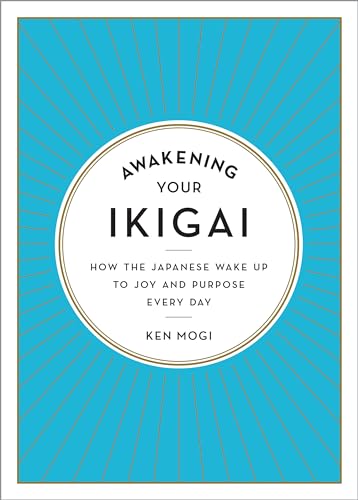
Awakening Your Ikigai: How the Japanese Wake Up to Joy and Purpose Every Day
Ken Mogi · 2018 · 208 pages
Neuroscientist Ken Mogi presents ikigai from an authentically Japanese perspective. Unlike the Western Venn diagram approach, Mogi argues that ikigai can be found in small, everyday pleasures — your morning coffee, a walk in the park, or a conversation with a friend. He identifies five pillars of ikigai grounded in brain science.
Ikigai-ni-tsuite (On the Meaning of Life)
Mieko Kamiya · 1966 · 200 pages
The foundational text on ikigai. Psychiatrist Mieko Kamiya was the first to systematically study ikigai as a concept. Working with leprosy patients, she explored what gave people meaning even in extreme suffering. Though originally published in Japanese, her work forms the academic foundation for all modern ikigai studies.
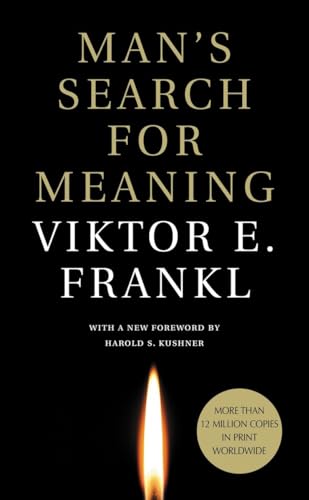
Man's Search for Meaning
Viktor E. Frankl · 1946 · 184 pages
While not specifically about ikigai, Frankl's masterpiece is its philosophical companion. Written from his experience surviving Nazi concentration camps, Frankl develops logotherapy — the idea that the primary human drive is not pleasure but the pursuit of meaning. His insights directly parallel the ikigai concept.
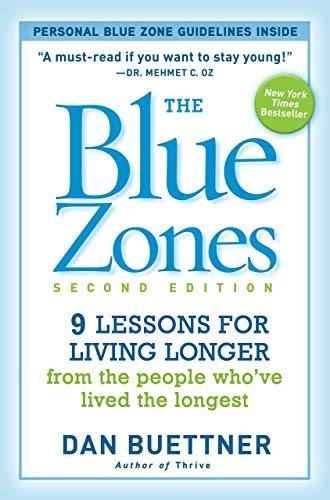
The Blue Zones: Lessons for Living Longer From the People Who've Lived the Longest
Dan Buettner · 2008 · 320 pages
Buettner identifies five regions worldwide where people live measurably longer lives — including Okinawa, Japan. The book reveals common lifestyle practices across these zones, with 'having a sense of purpose' being one of the key factors. Okinawa's ikigai tradition features prominently.
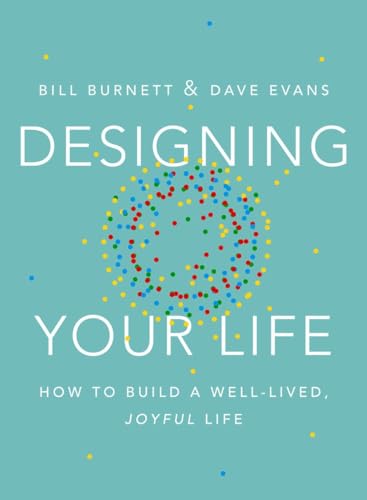
Designing Your Life: How to Build a Well-Lived, Joyful Life
Bill Burnett & Dave Evans · 2016 · 272 pages
Stanford professors Burnett and Evans apply design thinking to life planning. While not explicitly about ikigai, their framework closely mirrors the four-circle model — helping you prototype different life paths, reframe problems, and find purpose through experimentation rather than just reflection.
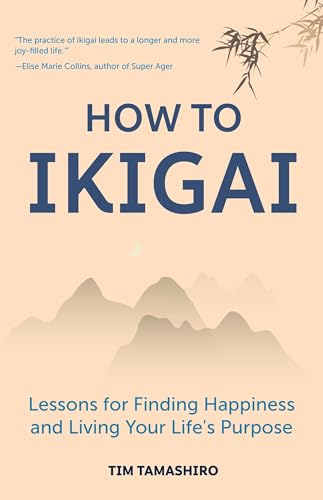
How to Ikigai: Lessons for Finding Happiness and Living Your Life's Purpose
Tim Tamashiro · 2019 · 152 pages
Former CBC radio host Tim Tamashiro offers a warm, personal exploration of ikigai with practical exercises. Drawing on his Japanese-Canadian heritage, he presents a simple four-step framework: Do what you love, Do what you're good at, Do what the world needs, Do what you can be rewarded for.
Where to Start?
Our recommended reading path
New to Ikigai
Start with "Ikigai: The Japanese Secret to a Long and Happy Life" by García & Miralles. It's the most accessible introduction and will give you a strong foundation.
Want Authentic Japanese Perspective
Read "Awakening Your Ikigai" by Ken Mogi. He presents the concept as it's actually understood in Japan — beyond the Western Venn diagram.
Want Practical Exercises
Try "Designing Your Life" by Burnett & Evans alongside our free Ikigai Test for a hands-on approach to finding your purpose.
Frequently Asked Questions
Affiliate DisclosureAs an Amazon Associate, we earn from qualifying purchases. This means we may receive a small commission if you buy through our links, at no extra cost to you. These commissions help support our free ikigai tools.